
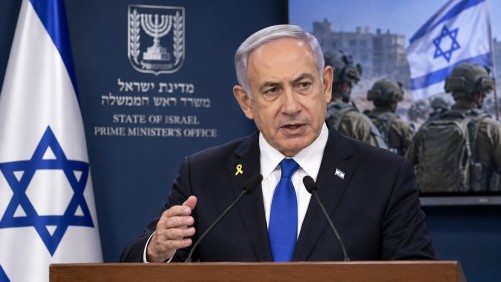
The ongoing debate over military conduct and freedom of expression in Israel has intensified following new legislative proposals by Prime Minister Benjamin Netanyahu. This development comes in the wake of a controversial documentary that claims the Israel Defense Forces (IDF) utilized artificial intelligence in operations that allegedly resulted in civilian casualties in Gaza.
Netanyahu’s proposed legislation includes two key bills aimed at curbing actions perceived as damaging to the IDF’s reputation internationally. One of the bills would enable authorities to consider stripping citizenship from individuals deemed responsible for such reputational damage. The other bill seeks to increase the financial penalties in defamation cases. These proposals specifically target Yair Golan, an opposition politician, and filmmakers Yuval Abraham and Rachel Szor, who produced the contentious documentary titled “NAZA.”
However, the prospect of revoking citizenship has met resistance. President Isaac Herzog has expressed skepticism about the feasibility of such a measure, particularly concerning the filmmakers. While he criticized the documentary’s allegations, Herzog emphasized that grievances by IDF soldiers should be processed through established military channels.
Israeli law currently permits the revocation of citizenship in severe cases, such as those involving terrorism or treason, pending approval from government authorities and the judiciary. Despite this, Herzog’s stance suggests that the threshold for such actions remains high and politically sensitive.
The IDF has firmly denied the accusations presented in the documentary, asserting that decisions regarding military strikes are made by human personnel, not artificial intelligence. Meanwhile, the filmmakers stand by their work, claiming it is grounded in interviews and documented evidence. The controversy has sparked a broader conversation in Israel regarding how allegations related to military operations in Gaza should be handled, reflecting the tension between national security and freedom of speech.