
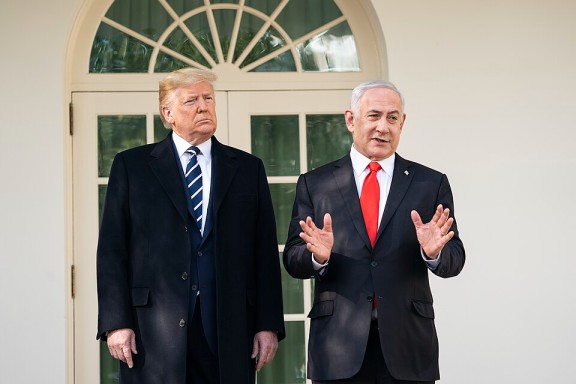
On Sunday evening, Israeli Prime Minister Benjamin Netanyahu engaged in a discussion with U.S. President Donald Trump concerning the ongoing conflict with Iran. The conversation, which occurred in the context of heightened tensions, touched upon the possibility of reigniting hostilities with Iran and also included insights into Trump’s recent visit to China. Following this, Netanyahu planned a meeting with key aides and ministers in Jerusalem to deliberate on security matters. Known as the “small security cabinet,” this group typically includes high-ranking officials such as Foreign Minister Gideon Sa’ar, Defense Minister Israel Katz, Finance Minister Bezalel Smotrich, National Security Minister Itamar Ben Gvir, and Shas chairman Aryeh Deri.
There have been reports indicating that Israel and the United States are intensively preparing to resume attacks on Iran, potentially within the week. This development comes in the wake of a drone attack targeting a nuclear power plant in the United Arab Emirates, which, alongside Israel, has been significantly impacted by Iranian actions during the conflict. President Trump is scheduled to hold a meeting with his national security advisers in the Situation Room on Tuesday to evaluate military strategies against Iran.
The discussions between the U.S. and Iran have been stalled since a ceasefire was declared on April 8. Despite this, Trump remains optimistic about reaching a deal with Iran, although he has issued stern warnings about potential consequences if Iranian leaders do not act promptly. In a social media message, Trump emphasized the urgency of the situation, stating, “For Iran, the Clock is Ticking, and they better get moving, FAST, or there won’t be anything left of them. TIME IS OF THE ESSENCE!”
During a weekly cabinet meeting, Netanyahu expressed vigilance regarding Iran and noted that he was eager to hear Trump’s impressions from his China visit. Trump’s trip included discussions with Chinese President Xi Jinping, who offered to assist in opening the Strait of Hormuz and pledged not to supply military aid to Iran. Upon returning from China, Trump shared an AI-generated image depicting a tense maritime scene, captioned “It was the calm before the storm.”
Amid these developments, Iranian armed forces spokesman Abolfazl Shekarchi warned against renewed American attacks, promising unprecedented retaliatory measures. Iran’s deputy parliamentary speaker, Hamidreza Hajibabaei, also cautioned that any damage to Iranian oil infrastructure would severely disrupt global oil access. Iranian media has reported dissatisfaction with U.S. negotiation terms, highlighting a lack of concrete concessions from Washington. Meanwhile, a drone strike near the Barakah Nuclear Power Plant in the UAE has drawn international condemnation, with the UAE blaming Iran for similar past incidents. The plant, which began operations in 2020, remains unaffected by the fire caused by the strike, and safety protocols are in place. The incident underlines the escalating regional tensions and the delicate state of international negotiations.