
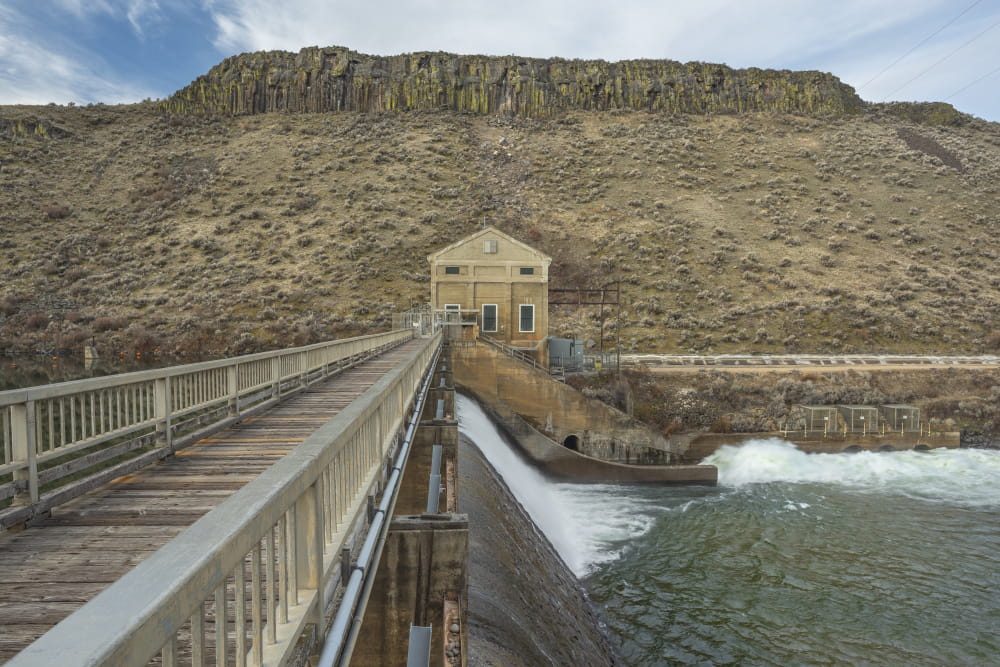
Recent cold fronts have swept through the Western Cape, bringing a significant and much-needed increase in Cape Town’s dam levels. Earlier this month, officials expressed concern as dam levels were noticeably lower compared to the same period last year. However, the recent heavy rainfall has transformed this outlook, leading to a more optimistic perspective.
By Wednesday, the collective storage capacity of the city’s six major dams had risen to 67.8%, a substantial increase from the 48.3% recorded the previous week. The City of Cape Town, in conjunction with the National Department of Water and Sanitation, closely monitors these dam levels. This data is critical in assessing the region’s water availability and determining whether water restrictions need to be imposed on both residents and businesses.
The dams in and around Cape Town are part of the Western Cape Water Supply System. This integrated system, which includes an array of dams, pump stations, pipelines, and tunnels, is managed collectively to ensure a steady water supply. While it primarily serves Cape Town, the system also provides water to several other regions, including the Overberg, Boland, West Coast, and Swartland areas, and supports agricultural irrigation needs.
The recent boost in dam levels comes as a relief, given the initial apprehension about water shortages. Authorities now express cautious optimism, recognizing the importance of maintaining these levels to safeguard the region’s water supply. The improved situation highlights the delicate balance between natural weather patterns and the infrastructure required to manage water resources effectively.