
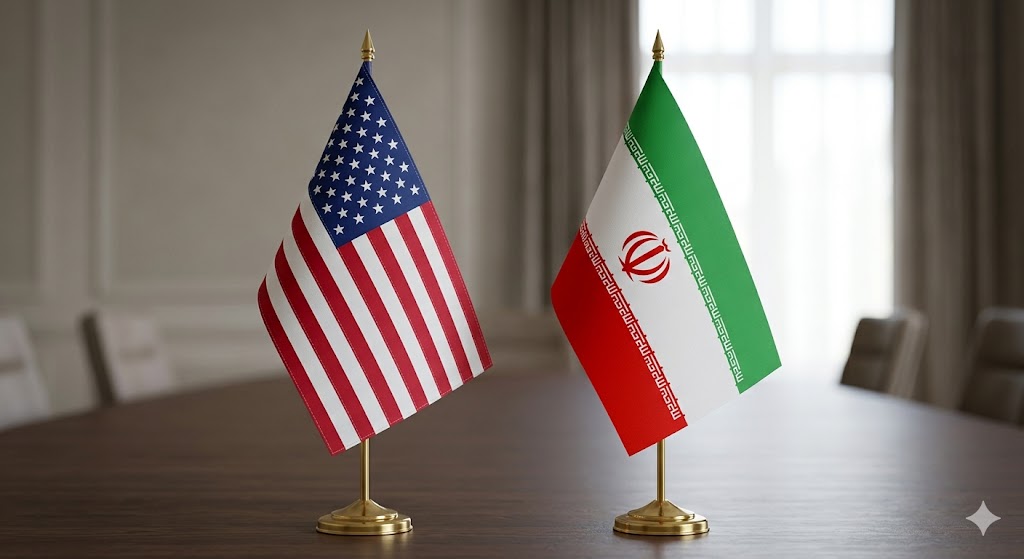
The United States and Iran were preparing to engage in peace talks aimed at addressing Iran’s nuclear program and promoting regional stability, but these discussions have been unexpectedly delayed. The talks were to be held in Switzerland, building on a recent memorandum that set the stage for future negotiations. However, a sudden surge in hostilities between Israel and Hezbollah has led to the talks being called off. The flare-up began when Hezbollah launched attacks on Israeli military forces in southern Lebanon, leading to casualties among Israeli troops. In retaliation, Israel carried out significant airstrikes on Hezbollah targets in southern Lebanon and the Bekaa Valley, resulting in multiple fatalities and injuries.
The outbreak of violence has cast doubt on the stability of ceasefire efforts and has complicated diplomatic efforts. Despite both Washington and Tehran expressing a desire to continue with negotiations, officials have noted that the current circumstances are not conducive to proceeding with the talks. The situation has prompted international leaders to call for calm and encourage all involved parties to uphold their ceasefire agreements to prevent further escalation of tensions.
The decision to postpone the peace talks introduces uncertainty into the ongoing efforts to alleviate regional tensions and secure a long-term agreement regarding Iran’s nuclear activities. This development underscores the fragility of peace processes in the region, where longstanding rivalries and conflicts frequently disrupt diplomatic initiatives.
Efforts to advance a comprehensive agreement on Iran’s nuclear program have been hindered by the renewed violence, illustrating the complex and volatile nature of Middle Eastern geopolitics. The international community watches closely, hoping for a de-escalation that would allow for a resumption of dialogue and progress toward stability in the region.