
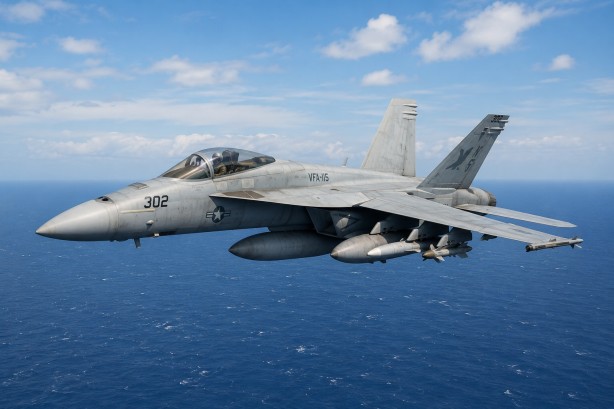
Recent hostilities between the United States and Iran have escalated following a series of aggressive actions that have alarmed the international community and heightened fears of a broader conflict in the region. This comes in the wake of a temporary agreement that was reached last month, which now seems fragile amidst the renewed military exchanges.
The United States has conducted airstrikes targeting locations in and around Tehran, as well as other strategic sites, including a vessel accused of violating a U.S. naval blockade. These actions have been met with strong condemnation from Iranian officials, who reported casualties and decried the attacks, particularly those near civilian areas.
In retaliation, Iran has launched missiles and drones towards several nations that host U.S. military bases, including Bahrain, Jordan, and Kuwait. The situation has further deteriorated with reports of drone activities near Iraq’s oil facilities, elevating regional security concerns. The strategic Strait of Hormuz, a vital passageway for global shipping, has also become a flashpoint, with Iran warning against foreign intervention and hinting at possible expansion of military operations if its strategic interests are targeted again. These tensions have disrupted shipping routes, igniting worries over global energy supplies and causing a surge in oil prices.
As the conflict rages on, countries with interests in the region are reassessing their maritime security protocols. There has been a noticeable slowdown in shipping traffic through the Strait of Hormuz, reflecting the impact of ongoing hostilities on international trade.
Despite the military confrontations, efforts to revive diplomatic negotiations continue. However, significant gaps remain between the positions of Washington and Tehran, casting doubt on the likelihood of achieving a sustainable ceasefire. Both sides have shown limited flexibility in their stances, which complicates the path to a peaceful resolution.