
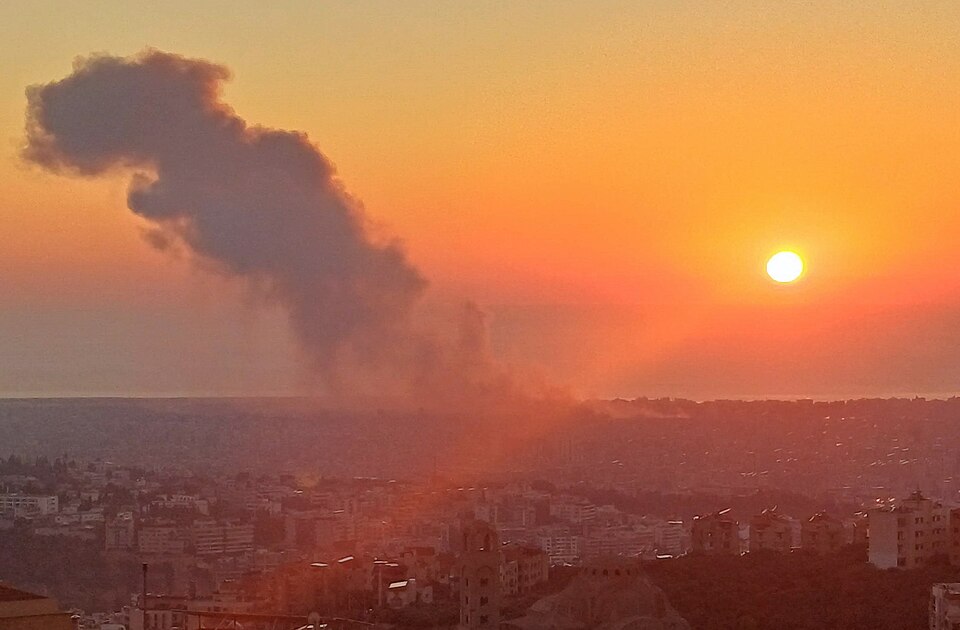
A renewed ceasefire between Israel and Hezbollah has been brokered following a brief but intense flare-up of violence along their shared border, which had threatened to destabilize the region and interfere with diplomatic efforts involving the United States and Iran. The conflict intensified when Hezbollah initiated attacks on Israeli troops stationed in southern Lebanon, resulting in the deaths of multiple Israeli soldiers. In retaliation, Israel launched a series of airstrikes on Hezbollah targets in the same region, which led to numerous casualties and considerable infrastructural damage.
The abrupt escalation in hostilities had consequential ripple effects, notably causing a delay in the anticipated U.S.-Iran discussions set to take place in Switzerland. These talks were designed to address the implementation of a newly signed framework agreement related to Iran’s nuclear program and broader security concerns in the Middle East. Despite these setbacks, both Israel and Hezbollah have since expressed a readiness to de-escalate and adhere to the ceasefire terms, aiming to prevent further violence.
The agreement to restore the ceasefire is perceived as a critical measure in supporting diplomatic channels focused on reducing regional tensions. This move is crucial for maintaining the momentum of ongoing diplomatic efforts, which are seen as pivotal in addressing broader regional security issues. However, the path to sustained peace remains fraught with challenges, including persistent disagreements over security measures in southern Lebanon and the overarching geopolitical tensions in the region.
Officials from both Israel and Hezbollah have indicated that, should the ceasefire terms be respected, further escalation can be avoided. This tentative step towards stability underscores the fragile nature of peace in the area, where previous ceasefires have often been short-lived amidst the complex web of regional allegiances and conflicts.