
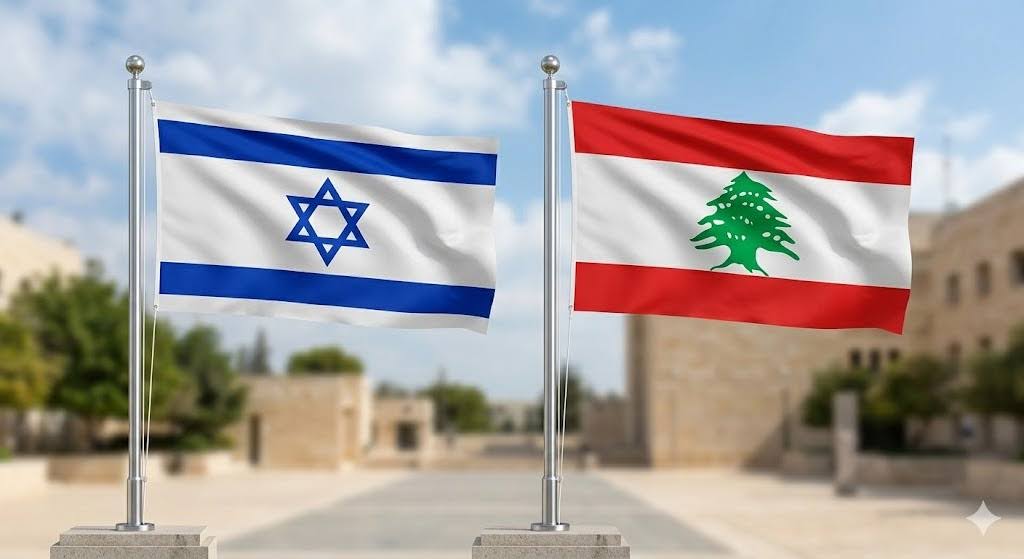
In a bid to ease rising tensions in the Middle East, Israel and Lebanon have agreed to renew a ceasefire along their shared border. This agreement, which aims to reduce hostilities, includes a provision for Hezbollah fighters to cease attacks and retreat to areas north of the Litani River in southern Lebanon. The plan also proposes the establishment of pilot security zones under the sole control of the Lebanese Armed Forces, thereby restricting the presence of non-state armed groups in these areas.
Despite the formal announcement of the ceasefire, reports have surfaced of continued military activities in parts of southern Lebanon, underscoring the challenges in enforcing the ceasefire on the ground. This renewed truce is the result of multiple rounds of negotiations and is considered a crucial step towards mitigating instability in the region. Further talks are anticipated to finalize the terms and manage the gradual execution of the agreement.
The ceasefire comes amid the United States’ ongoing diplomatic efforts to address broader regional issues, particularly those involving Iran. The Middle East remains a hotbed of tension, exacerbated by recent military confrontations in the Gulf and persistent disputes over the influence of Iran-backed groups, which have complicated diplomatic negotiations.
Experts suggest that the successful implementation of the ceasefire between Israel and Lebanon could significantly influence future diplomatic initiatives and enhance the likelihood of achieving broader regional stability. The outcome of this truce is seen as pivotal in shaping the diplomatic landscape and addressing the ongoing security concerns in the region.