
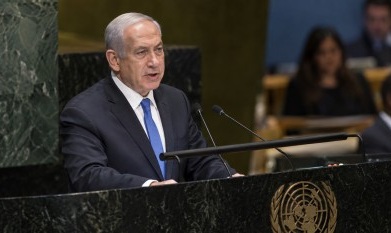
Israeli Prime Minister Benjamin Netanyahu took the stage at the United Nations General Assembly to staunchly defend Israel’s military actions amid ongoing international criticism over the conflict in Gaza. The speech, delivered as Israel faces intense scrutiny and prepares for upcoming parliamentary elections on October 27, underscored Netanyahu’s resolve to maintain Israel’s stance against Hamas following the group’s attack on October 7, 2023.
Netanyahu firmly dismissed allegations of genocide in Gaza, insisting that Israel’s military operations are aimed solely at protecting the nation from Hamas’ aggression. His address, however, was met with a significant diplomatic rebuke, as dozens of delegates exited the chamber in protest before and during his remarks. This walkout illustrated the deep-seated international divide concerning Israel’s military tactics and its policies towards Palestinians.
Throughout his speech, the Prime Minister directed criticism at various governments and international figures for their positions on Israel. He singled out Qatar, accusing it of fostering anti-Israel sentiment through financial support of certain universities and media outlets. Additionally, he condemned Turkey and several European governments, portraying Israel as engaged in a multifaceted struggle on both military and diplomatic fronts.
Netanyahu’s address also served as a call for national unity, highlighting Israel’s resilience and determination to continue its military campaign. This message of solidarity comes at a critical time, as Netanyahu’s domestic political standing is under scrutiny with the impending elections. His supporters have embraced his strong defense of Israel, seeing it as a necessary stance in the face of global criticism.
The reactions to Netanyahu’s speech were polarized. While his backers praised his unwavering commitment to defending Israel, the departure of numerous international delegations underscored the persistent and contentious debate over Israel’s conduct in the ongoing conflict and its broader policies in the region.