
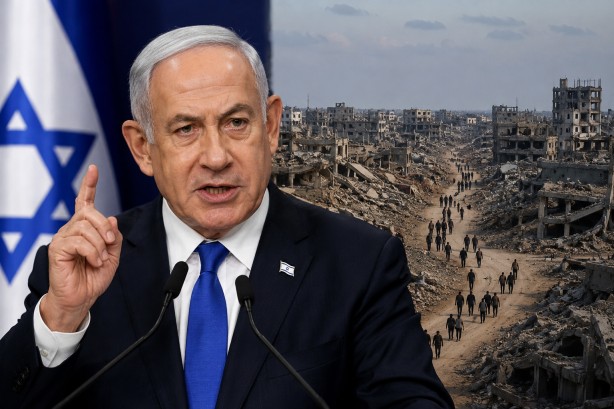
In a firm stance against the US-backed proposal for a ceasefire, Israeli Prime Minister Benjamin Netanyahu has stated that Israeli forces will not withdraw from Gaza until Hamas is fully disarmed. This decision comes as Israeli intelligence reports suggest that Hamas continues to recruit fighters, bolster its military capabilities, and replenish its arsenal. Israel argues that an early troop withdrawal could allow Hamas to regain power in Gaza, posing renewed threats to Israeli security.
The proposed ceasefire framework, backed by the United States, outlines a plan where Hamas would surrender its weapons and dismantle its network of tunnels. This would be followed by a phased withdrawal of Israeli forces, the creation of a Palestinian technocratic government, the deployment of an international security force, and efforts to rebuild Gaza. However, Israel remains skeptical of this plan, prioritizing the complete disarmament of Hamas as a non-negotiable condition for peace.
Amid these diplomatic tensions, the situation on the ground remains dire. Recent Israeli airstrikes have reportedly resulted in the deaths of at least 17 individuals, including children. The humanitarian impact of the conflict was further highlighted as Palestinians conducted a mass funeral for over 100 people discovered by rescue teams in the aftermath of a major Israeli airstrike in Gaza City’s Sabra neighborhood. Many victims are still feared to be trapped under the debris, with recovery operations ongoing.
The conflict, which erupted after Hamas launched an attack on October 7, 2023, on southern Israel, killing approximately 1,200 people and capturing 251 hostages, shows no signs of abating. This assault marked the beginning of the current hostilities in Gaza, prompting a strong military response from Israel. As the international community calls for a resolution, the focus remains on addressing the fundamental security concerns that continue to fuel this protracted conflict.