
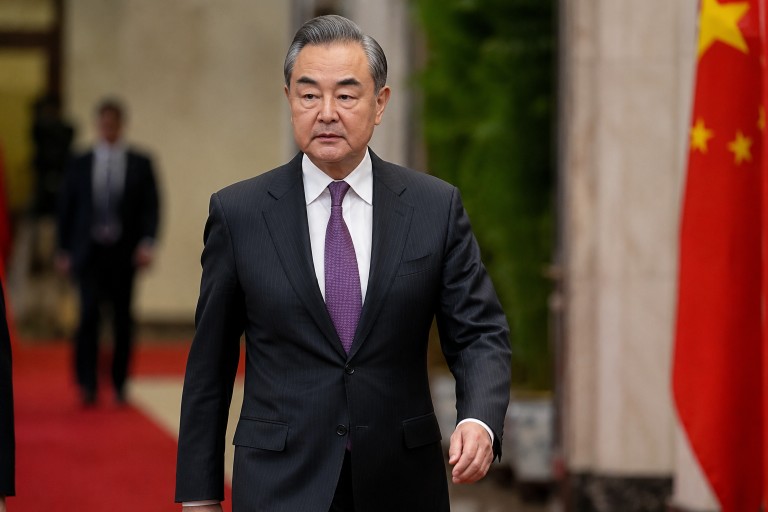
During a recent visit to Kyrgyzstan, Chinese Foreign Minister Wang Yi reinforced China’s commitment to enhancing collaboration with Central Asian nations. The discussions prominently featured regional cooperation and multilateral coordination as key areas of focus. Meetings with leaders and foreign ministers from Kyrgyzstan, Uzbekistan, and Tajikistan concentrated on boosting ties through platforms such as the Shanghai Cooperation Organisation (SCO), the China–Central Asia mechanism, and the United Nations.
China has thrown its support behind Kyrgyzstan as it prepares to host the upcoming SCO Bishkek Summit. Beijing pledged to uphold Kyrgyzstan’s sovereignty and territorial integrity and agreed to strengthen coordination on matters of regional peace, security, and development. This commitment underscores China’s strategic interest in the stability and prosperity of Central Asia.
In discussions with Uzbekistan, China emphasized the significance of progressing on the China–Kyrgyzstan–Uzbekistan Railway project. Both countries explored expanding their partnership in emerging sectors such as artificial intelligence, smart agriculture, and modern industrial development, highlighting a commitment to technological and economic advancement.
China and Tajikistan also expressed a mutual desire to fortify bilateral relations. This involves expanding practical cooperation in energy and regional connectivity, building on a long-term friendship and cooperation treaty signed earlier in the year. The strengthened ties signal a shared interest in fostering regional integration and stability.
Overall, Wang Yi’s visit to Central Asia highlights China’s growing strategic partnership with the region. The focus remains on infrastructure development, trade expansion, technological innovation, and ensuring regional stability, reflecting China’s broader goals of fostering deeper and more resilient connections with its Central Asian neighbors.