
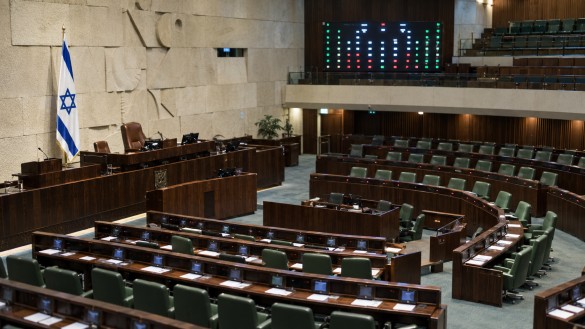
Israeli Prime Minister Benjamin Netanyahu’s political future is in question as final election results reveal that his bloc has fallen short of a parliamentary majority. This outcome sets the stage for complex coalition negotiations, with Arab-led parties emerging as potential kingmakers following their historic gain of 19 seats in the 120-member Knesset.
Netanyahu’s alliance secured 53 seats, while the main opposition bloc obtained 48. To form a government, 61 seats are necessary, leaving both sides without a straightforward path to power without reaching out to other political factions. The Arab-led parties’ unprecedented performance has positioned them as critical players in determining the next government’s formation.
Opposition leader Gadi Eisenkot and his allies could potentially form an anti-Netanyahu coalition with support from Arab-led parties, potentially securing a majority of up to 67 seats. However, such a coalition would face significant opposition from right-wing politicians and their voter base. Netanyahu has criticized the prospect of an opposition government relying on Arab parties, framing it as a national security threat.
An alternative outcome could be the formation of a national unity government involving both Netanyahu and opposition figures. However, Eisenkot and his allies have consistently expressed reluctance to serve under Netanyahu, citing his leadership during the October 7, 2023, Hamas attack and ongoing concerns about democratic institutions. Netanyahu’s corruption trial remains a contentious issue among potential coalition partners.
Adding to the political complexities are allegations of foreign interference in the election. Israeli election authorities have requested the Shin Bet security agency to investigate claims of irregularities, while maintaining that these should not undermine the legitimacy of Arab voters or the election results. Qatar has denied any involvement in such interference.
Should coalition negotiations fail, Israel may face yet another election early next year, with Netanyahu’s government continuing in a caretaker role. President Isaac Herzog will soon receive the final results and is responsible for appointing a candidate to attempt to form the next government. The new Knesset is set to be inaugurated on November 10.
In a politically fragmented landscape, Israel’s future government will depend on whether rival parties can overcome their differences and forge a viable coalition agreement.