
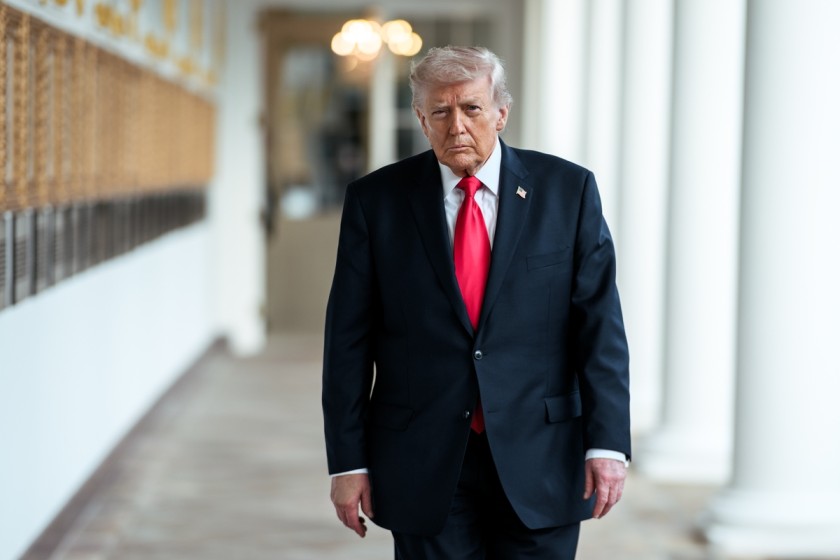
In a recent interview, US President Donald Trump expressed confidence in his ability to dissuade Israel from initiating further military actions in Lebanon. Trump attributed this potential influence to the respect he claims Israeli leaders have for his leadership, as well as their openness to his perspectives. He emphasized his previous policies on Iran as pivotal in earning this standing with Israel. This assertion comes as the United States is working to uphold a newly established agreement with Iran, intended to ease tensions in the region and facilitate a fresh round of diplomatic talks.
The agreement, which involves the US, Iran, and their allies, aims to bring an end to hostilities across several areas, including Lebanon. However, significant disagreements persist, particularly regarding Israel’s military activities in southern Lebanon and its broader position on the agreement. Israeli Prime Minister Benjamin Netanyahu has reportedly expressed reservations about parts of the US-Iran deal, arguing that it does not sufficiently address Israel’s concerns over Iran’s nuclear and missile capabilities. Additionally, reports suggest that Israel has been resistant to US requests for troop withdrawals from Lebanon.
President Trump characterized his relationship with Prime Minister Netanyahu as generally positive, though he acknowledged that there have been occasional differences of opinion between them. Despite these differences, Trump commended the strong cooperation between the United States and Israel in regional security efforts. This relationship remains crucial as diplomatic efforts continue to focus on stabilizing the Middle East, with significant international attention on the enforcement of the US-Iran agreement, as well as ceasefire initiatives involving Lebanon and broader regional security challenges.
These developments are unfolding against the backdrop of ongoing diplomatic attempts to bring stability to the Middle East. The international community is closely watching how the US-Iran agreement will be implemented, particularly regarding its impact on Lebanon and the broader security landscape in the region. The situation remains complex, with multiple factors influencing the delicate balance of power and peace efforts in the area.