
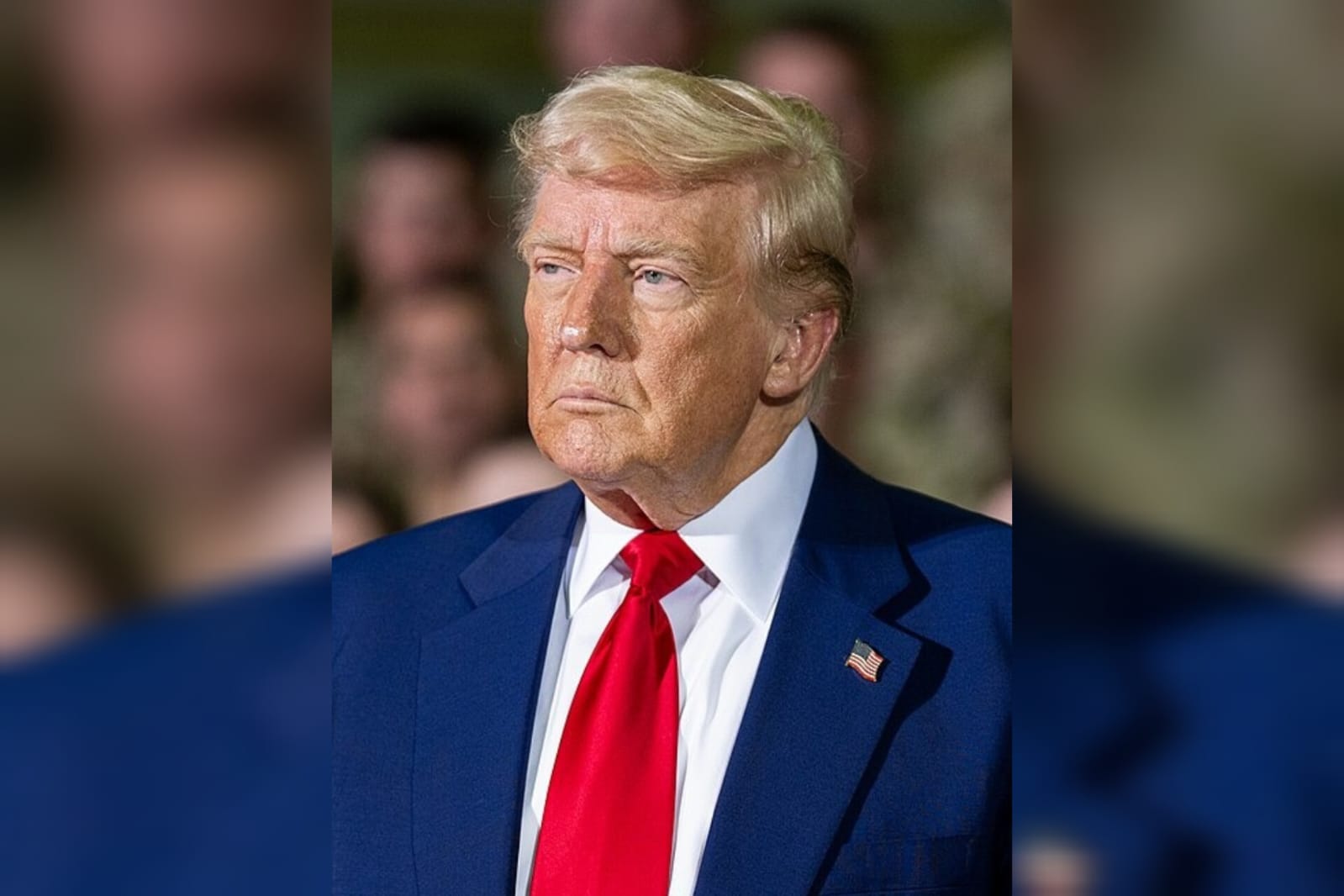
The United States and Iran have taken a significant step toward reducing tensions in West Asia by confirming the immediate effect of a newly signed memorandum of understanding. This development marks the beginning of the implementation phase of the agreement, which aims to resolve ongoing hostilities between the two nations. U.S. President Donald Trump announced that he personally signed the deal during an event at the Palace of Versailles following the G7 summit, indicating that the agreement is now active. In addition, a White House official and Iranian representatives confirmed the completion of the document through electronic signatures by senior figures from both countries.
A key feature of the agreement is the framework it establishes for the immediate reopening of the Strait of Hormuz. This vital global shipping lane had witnessed disruptions amid the conflict, and the reopening is expected to restore regular maritime activities. The deal also outlines provisions for the swift waiver of sanctions on Iranian oil exports, paving the way for Tehran to resume its energy shipments under newly defined conditions. This aspect is particularly crucial for stabilizing the global energy market and easing economic tensions.
The memorandum sets a 60-day period dedicated to negotiations surrounding Iran’s nuclear program, with plans for further discussions on long-term verification measures and regional security arrangements. Both the United States and Iran view this agreement as the start of a phased approach rather than a comprehensive settlement. The focus will be on building trust and ensuring compliance with the agreed terms, which are vital for the success of future negotiations.
A potential large-scale reconstruction fund for Iran, supported by regional partners, is included as a significant component of the framework, contingent upon reaching a final nuclear agreement. However, the United States has made it clear that broader financial assistance will rely on Iran’s adherence to compliance and the progress of diplomatic efforts. This stipulation highlights the conditional nature of the agreement and the emphasis on accountability and cooperation.
While many see the memorandum as a breakthrough opportunity to stabilize energy markets and reduce regional tensions, some critics express reservations about its implementation and long-term effects. Concerns remain regarding the enforcement of nuclear restrictions and the commitment to regional security. Nevertheless, the agreement represents a noteworthy diplomatic achievement, setting the stage for further dialogue and potential resolution of longstanding issues.