
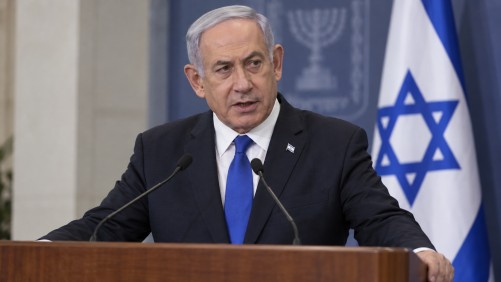
The ongoing conflict in Yemen has escalated following a deadly Houthi missile attack on King Khalid International Airport in Riyadh, Saudi Arabia. The assault, which reportedly killed at least 12 people and injured more than 300, prompted Israeli Prime Minister Benjamin Netanyahu to condemn the incident as a “horrific terrorist attack.” He expressed sympathy for the victims and urged for a unified stance against terrorism to protect civilians and ensure regional stability.
The attack has disrupted daily life in Riyadh, leading to the suspension of in-person classes in favor of remote learning. Despite these disruptions, a major international energy conference in the capital is still expected to proceed. In response to the attack, Saudi aviation authorities confirmed additional injuries from a subsequent targeting of the airport and announced that the facility would remain closed while damage assessments and safety checks are conducted.
The Saudi-led coalition, supporting Yemen’s internationally recognized government, is locked in a fierce conflict with the Iran-backed Houthi rebels. The Houthis have claimed responsibility for attacks on Saudi airports and energy facilities, cautioning against the use of Saudi airspace. Meanwhile, they have accused Saudi Arabia of launching strikes in Yemen’s capital, Sanaa, where they claim a child was killed and several others injured. Saudi authorities have not yet commented on these allegations.
This situation has raised international concerns over the security of civilian infrastructure and the potential impact on shipping through the Bab el-Mandeb Strait, a key maritime route linking the Red Sea to the Gulf of Aden. Any further escalation could pose a threat to regional energy supplies and global maritime trade.
In light of these developments, US President Donald Trump announced plans to discuss the situation with Saudi Crown Prince Mohammed bin Salman, as fears grow about the possibility of further regional involvement in the conflict.