
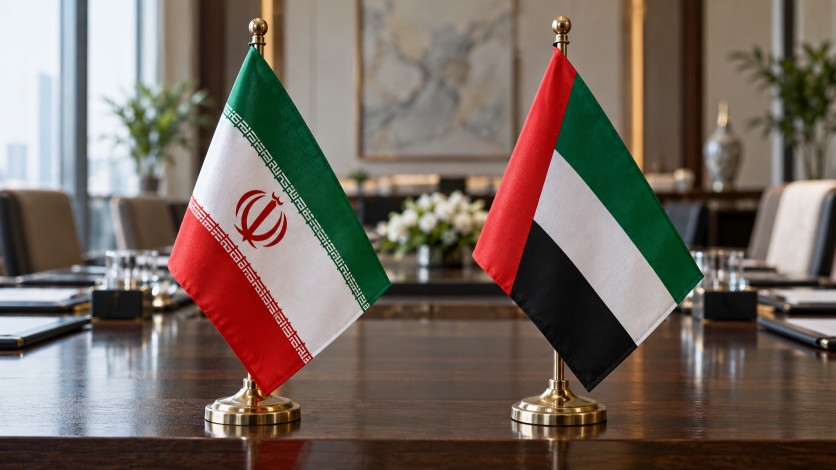
In a significant diplomatic development, Iran has issued a stern warning to the United Arab Emirates and other countries in the region, expressing concerns over what it perceives as the “highly dangerous consequences” of Israel’s growing influence in the area. This warning follows the recent visit of Israeli Prime Minister Benjamin Netanyahu to Abu Dhabi on September 27, where he met with UAE President Sheikh Mohamed bin Zayed Al Nahyan.
The Iranian Foreign Ministry condemned Netanyahu’s visit, urging regional governments to exercise caution regarding increased Israeli engagement. Tehran specifically called on these nations to avoid allowing their territories to be used for activities that could potentially destabilize the region.
The meeting between Netanyahu and President Sheikh Mohamed bin Zayed Al Nahyan was confirmed by the UAE, with both leaders reportedly discussing bilateral relations and regional challenges. This engagement comes at a time of heightened tensions between Iran and Israel, which have been marked by ongoing diplomatic and security maneuvers throughout the Gulf.
Iran’s warning underscores the complexity and sensitivity of geopolitical relations in the Middle East, where alliances and enmities often shift based on strategic interests. The evolving dynamics between Israel and its neighbors, including the UAE, are being closely watched by regional and international observers.
As the situation develops, the potential implications of these diplomatic interactions are likely to be significant for regional security and stability. The actions and responses of the involved nations will play a crucial role in shaping the future landscape of Middle Eastern politics.