
The diplomatic tensions surrounding sports and geopolitics flared recently as Ireland’s participation in the UEFA Nations League came under scrutiny. The controversy was sparked by remarks from Republic of Ireland manager Heimir Hallgrímsson, who characterized the upcoming matches against Israel as akin to “playing against genocide.” This statement drew a sharp response from the Israel Football Association, which condemned the coach’s words as “stupidity, ignorance and hypocrisy.”
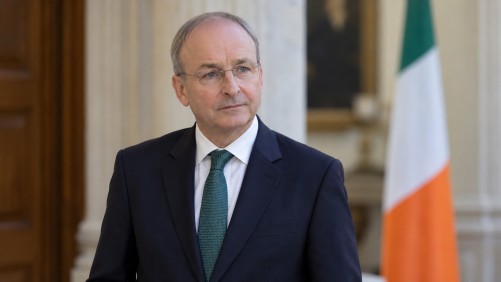
Irish Prime Minister Micheál Martin has now entered the fray, defending Hallgrímsson’s comments and urging the Israeli association to retract their criticisms. Speaking at the United Nations General Assembly in New York, Martin expressed his dismay over the situation, citing ongoing humanitarian concerns in Gaza as part of the broader context for the coach’s remarks. He labeled the Israeli federation’s statements as “unacceptable.”
The contentious matches between Ireland and Israel are set to take place at neutral venues. The first is scheduled for September 27 in Debrecen, Hungary, with a follow-up game on October 4 in Bačka Topola, Serbia, which will be played without spectators. These arrangements have not stymied calls within Ireland for a boycott, with several sports figures advocating for such a stance.
Despite the uproar, the Football Association of Ireland has confirmed that the matches will proceed as planned. This decision comes amidst discussions of potential consequences should Ireland choose to withdraw from the fixtures. The association’s stance underscores the challenges in balancing sports commitments with political and ethical considerations.
As the scheduled matches approach, the intersection of sports and international relations continues to be a focal point, highlighting the complexities faced by nations and their representatives on and off the playing field.