
The European Union is taking significant steps to secure its supply of critical raw materials and reduce reliance on China by backing 46 strategic projects. With concerns about potential trade disruptions looming, the EU is focusing on strengthening its supply chains for materials crucial to industries such as automotive, defense, and renewable energy.
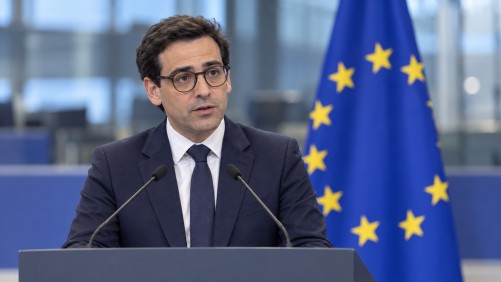
Stéphane Séjourné, the European Commission Industry Commissioner, emphasized the need for the bloc to prepare for possible supply challenges in the upcoming months. The projects, which include facilities for lithium, gallium, and rare earth elements, require a combined investment of approximately €21 billion. These initiatives have been granted strategic status under the EU’s Critical Raw Materials Act, which aims to enhance the bloc’s ability to secure essential resources by 2030.
Notable projects in this initiative include a rare earth processing plant near Pau, France, which will produce dysprosium and terbium, essential for electric vehicles and wind turbine magnets. Additionally, a gallium plant in Greece is operational, and Finland’s Keliber lithium extraction and processing project has commenced following €150 million in support from the European Investment Bank.
In parallel to these efforts, the EU is engaging in diplomatic discussions to alleviate trade tensions with China. Trade Commissioner Maroš Šefčovič is actively pursuing talks in Beijing to address the trade imbalance and concerns regarding Chinese imports.
According to the EU’s goals for 2030, the bloc aims to domestically extract at least 10% of its annual consumption of strategic raw materials, process 40% within the EU, and recycle 25%. However, industry experts have expressed doubts about whether the current measures will suffice to meet these ambitious targets.
While achieving strategic status does not guarantee direct funding, it can expedite permitting processes and attract investment. So far, EU member states have unlocked €1 billion for six projects, and the European Investment Bank has contributed €660 million to support eight initiatives.
The EU anticipates that these projects will contribute to developing a robust domestic raw materials industry, enhance economic security, and mitigate the risks associated with global supply chain disruptions.