
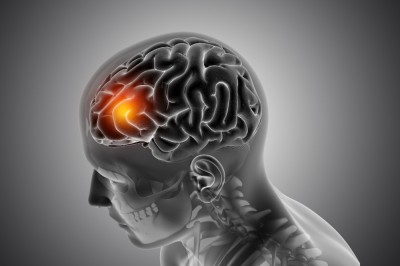
When someone experiences a sudden shift in personality, it often raises concerns about stress, anxiety, or emotional struggles. However, medical professionals warn that such dramatic changes in behavior could also signal an underlying neurological issue, such as the presence of a brain tumor.
Neurologists point out that family members are typically the first to recognize when a person’s behavior shifts unexpectedly. For instance, a person known for being calm and patient might become irritable, a typically cheerful individual could turn reclusive, or someone once meticulous and attentive might begin neglecting important details. These abrupt changes, particularly when there’s no apparent cause like job stress or personal issues, might indicate a neurological concern. Unlike behavioral changes due to psychological factors, which tend to develop slowly, those caused by neurological issues may persist or worsen over time.
The brain plays a crucial role in regulating personality, emotions, judgment, and decision-making. When a tumor forms in areas that control these functions, initial symptoms may manifest as alterations in mood, thought processes, and social behavior rather than through clear physical signs. Experts note that these personality changes often start subtly, with signs such as increased aggression, emotional numbness, impulsive actions, difficulty focusing, memory lapses, or behavior that seems entirely uncharacteristic.
Typically, personality changes related to brain tumors don’t occur in isolation. They are often accompanied by other symptoms, including persistent headaches, unexplained nausea, vision disturbances, seizures, balance difficulties, or weakness in limbs. Despite the serious implications, doctors emphasize that sudden personality shifts do not automatically suggest the presence of a brain tumor, as various medical and psychological conditions can present with similar symptoms. Nonetheless, if unusual behavior is coupled with neurological or physical issues, it is crucial to seek medical evaluation and undergo necessary testing.
Early diagnosis is vital in identifying the root cause of these changes and ensuring timely medical intervention if required. Recognizing the signs and understanding the potential implications can make a significant difference in managing health outcomes effectively.