
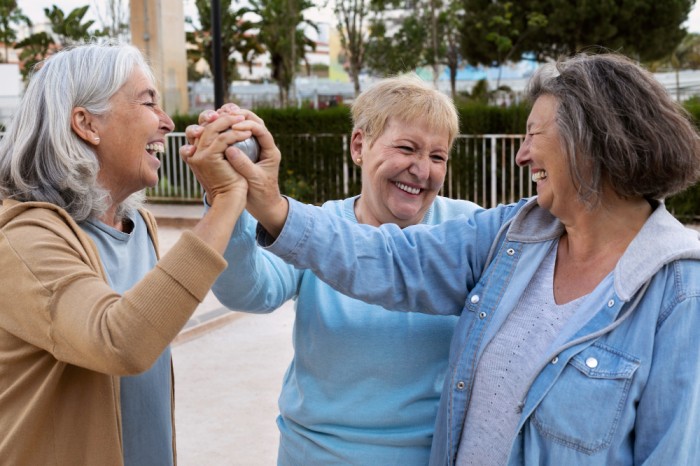
As people transition into retirement, it can be tempting to step away from the routines of work life and embrace a slower pace. However, health experts advise that this period should not equate to a halt in mentally stimulating activities. Engaging in physical, social, and intellectual pursuits post-retirement is vital for maintaining brain health and overall well-being during the ageing process.
While the process of ageing can naturally impact certain cognitive functions, significant mental decline is not an unavoidable outcome. Experts emphasize that keeping the brain active through regular mental challenges, social interactions, and physical exercise can enhance memory, attention, and problem-solving skills. Physical activities like walking, yoga, cycling, and gardening are particularly beneficial as they boost blood circulation to the brain, thereby supporting cognitive health.
Nonetheless, retirement carries the risk of becoming a period of isolation if not managed well. The absence of daily work tasks and reduced social engagements can lead to decreased mental stimulation, which may negatively affect cognitive performance over time. To mitigate these risks, retirees are encouraged to immerse themselves in new hobbies, volunteer work, travel, or community events. Such engagements not only stimulate the mind but also foster emotional well-being and provide a sense of purpose.
Maintaining strong social ties is equally crucial for retirees. Interacting with family, friends, or community groups helps sharpen communication, memory, and decision-making skills while reducing the likelihood of loneliness and depression. These connections are essential components of a healthy, fulfilling retirement experience.
Ultimately, healthy ageing extends beyond merely avoiding disease; it encompasses sustaining independence, mental acuity, and quality of life. By remaining active, curious, and socially engaged, retirees can significantly bolster their long-term brain health, ensuring a vibrant and rewarding later life.