
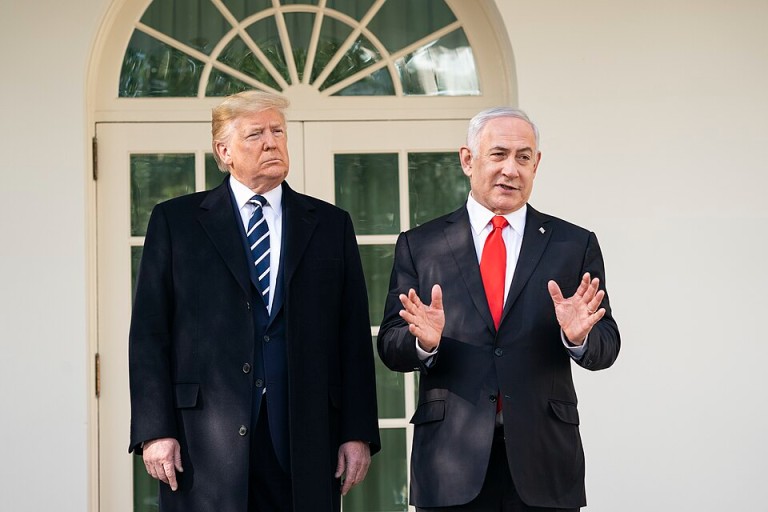
Amid ongoing tensions involving Iran and Lebanon, US President Donald Trump has openly criticised Israeli Prime Minister Benjamin Netanyahu, calling him “a very difficult guy.” This comes at a time when Washington and Tehran are on the verge of signing a peace agreement intended to resolve over three months of regional conflict. The agreement is expected to involve a cessation of military actions, the reopening of the Strait of Hormuz, and the lifting of US naval restrictions in the area.
Trump has expressed his dissatisfaction with Israel’s continuous military actions in Lebanon, saying that recent airstrikes on Beirut have complicated efforts to finalise the peace deal with Iran. He claims these attacks have delayed the announcement of the peace framework and have escalated tensions during a crucial phase of negotiations. Despite the friction, Trump underscored the importance of continued American support for Israel, noting that significant regional security challenges persist.
The growing discord between Washington and Tel Aviv is becoming increasingly apparent as the Middle East crisis unfolds. The conflict intensified in Lebanon when Hezbollah joined the fighting in support of Iran, resulting in months of cross-border hostilities and an extensive Israeli military campaign in southern Lebanon. This violence has led to the displacement of many civilians and heightened concerns about the possibility of a broader regional war.
While the United States and Iran have reported progress towards a peace settlement, Lebanon’s role in the agreement remains uncertain. Mediators have indicated that issues related to Lebanon will be addressed in future discussions, though Israel has maintained its stance on making independent security decisions. The anticipated peace framework is scheduled to be formally signed in Switzerland later this week, marking the beginning of a 60-day negotiation period to tackle unresolved issues, including Iran’s nuclear programme and broader regional security concerns.
The outcome of this agreement is being closely monitored by global markets, as its successful implementation could stabilise the Middle East and reinstate normal shipping operations through the Strait of Hormuz, an essential corridor for international energy supplies.