
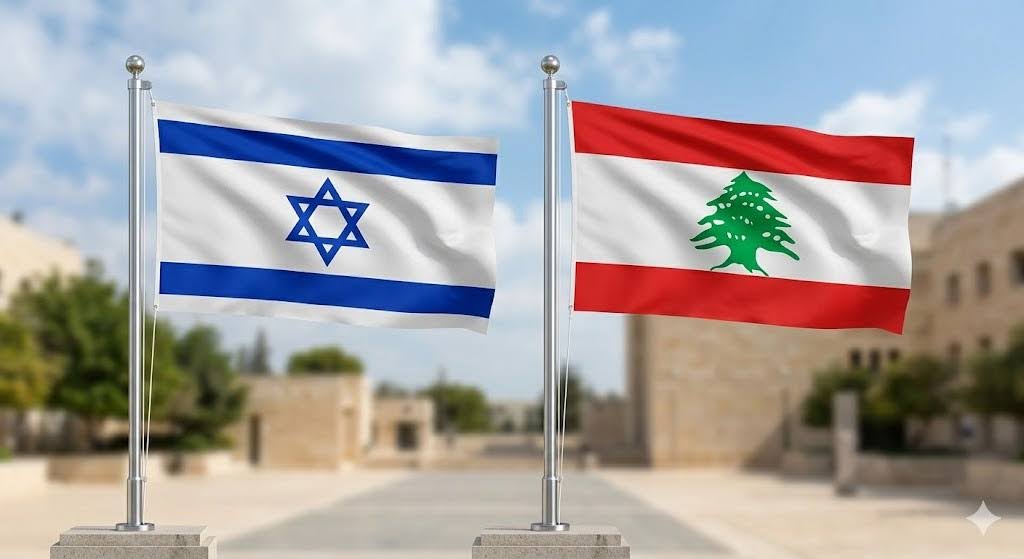
Amid continuing diplomatic efforts to ease tensions in the Middle East, Israel and Lebanon have reached an agreement to renew a ceasefire along their shared border. This accord aims to curtail hostilities that have been a source of regional instability. A significant aspect of the agreement is the expectation that Hezbollah fighters will cease their assaults and retreat from the areas south of the Litani River in southern Lebanon. Additionally, the accord outlines the establishment of pilot security zones, which will be under the exclusive control of the Lebanese Armed Forces, thereby restricting the activity of non-state armed groups in these areas.
Despite the formal announcement of the ceasefire, reports have surfaced indicating that military activity continues in some parts of southern Lebanon. This underscores the difficulties that can arise in enforcing such agreements on the ground. The renewed ceasefire is the product of several rounds of negotiations and is seen as a crucial move towards diminishing regional tensions. Further discussions are anticipated to finalize the specifics of the agreement and manage its phased implementation.
This development coincides with the United States’ efforts to make headway in broader diplomatic initiatives involving Iran. The region remains on edge, as recent military incidents in the Gulf, coupled with persistent disagreements regarding the influence of Iran-backed groups, present challenges to the negotiation process. The situation highlights the fragile nature of peace efforts in the area.
Experts suggest that the success of the Israel-Lebanon ceasefire could have a significant impact on future diplomatic endeavors, potentially enhancing the prospects for broader regional stability. By serving as a model for conflict resolution, this truce could influence how similar disputes are approached and resolved in the future, offering a glimmer of hope in an often-volatile region.