
The human digestive system is a complex network that requires consistent care and attention. While most people focus on avoiding unhealthy foods, adding the right ingredients can make a transformative difference. Among nature’s most powerful digestive allies, seeds stand out as compact nutritional powerhouses that deliver remarkable benefits in small quantities.
A prominent gastroenterologist recently drew attention to three specific seeds that do more than just nourish the body — they actively work to cleanse the gut. These seeds, when consumed correctly and consistently, can dramatically improve bowel regularity, reduce inflammation, and support a thriving gut microbiome. The science behind these tiny foods is both fascinating and highly practical.
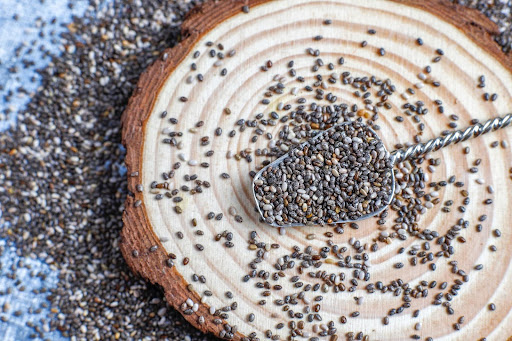
Chia seeds lead the list with their impressive soluble fibre content. When soaked in liquid, they form a thick gel that moves through the digestive tract, sweeping along waste and slowing the absorption of sugars. This gel also acts as a prebiotic, feeding the beneficial bacteria that keep the gut ecosystem balanced and thriving. The key rule is simple: always soak them before eating — at least 15 to 20 minutes, though overnight is ideal.
Flaxseeds bring a different kind of power to the table. Rich in omega-3 fatty acids, particularly ALA, these seeds fight inflammation in the gut lining while also helping regulate cholesterol and hormonal balance. The critical detail most people miss is that flaxseeds must be ground before consumption — whole seeds pass through the body largely undigested, leaving most of their nutrients untapped.
Completing the trio are basil seeds, known in traditional medicine as sabja. These seeds expand rapidly in water, offering soluble fibre benefits comparable to chia seeds. Long used in Ayurvedic healing traditions for digestive complaints, basil seeds are a wonderful complement to chia in oatmeal, plant-based milk, or yoghurt. Together, these three seeds form a natural, food-based strategy for a cleaner, healthier gut.