
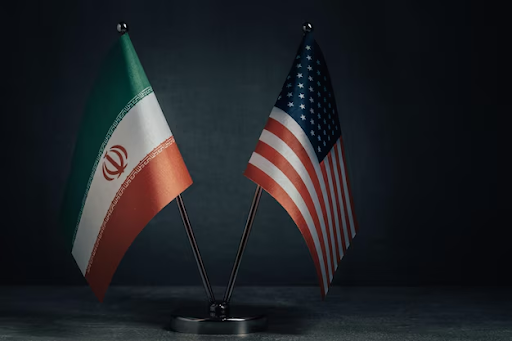
Indirect negotiations between Iran and the United States, held in Geneva through Omani intermediaries, concluded with what Tehran described as a significant breakthrough — the agreement on “general guiding principles” that could lay the groundwork for a formal nuclear deal.
Iranian Foreign Minister Abbas Araghchi called the atmosphere of the latest round “more constructive” than the first meeting held earlier this month, noting that both sides had made measurable progress. However, he cautioned that the two nations still held differing positions that would require time to reconcile before a comprehensive agreement could be reached.
The talks lasted roughly three and a half hours and centered on Iran’s willingness to constrain its nuclear programme under International Atomic Energy Agency (IAEA) supervision. A central issue on the table was Iran’s stockpile of 60% highly enriched uranium — material that is nearly weapons-grade and unnecessary for civilian nuclear energy purposes.
Key sticking points remain, including the duration of any uranium enrichment suspension and whether Iran would relinquish its domestic enrichment rights — a core US demand that Tehran has so far refused. Iran also firmly stated it would not discuss its ballistic missile programme or its support for regional proxy forces as part of any deal.
Despite the cautious optimism, the broader regional picture remained tense. Iran’s Supreme Leader Khamenei issued veiled threats toward US warships near Omani waters, while Iran announced live-fire naval exercises in part of the Strait of Hormuz. The next round of talks is expected in approximately two weeks.