
Fatty liver disease has emerged as a silent epidemic affecting millions across the country. Recent research published in a leading medical journal revealed that nearly 40 percent of study participants showed signs of metabolic-dysfunction-associated steatotic liver disease. This alarming statistic means approximately four out of every ten adults may unknowingly be living with this condition, which develops primarily due to metabolic issues like obesity and diabetes rather than alcohol consumption.
The consequences of ignoring fatty liver can be severe. Without proper intervention, this seemingly benign condition can progress to serious complications including liver fibrosis and even cancer. However, there’s hope in the form of dietary modifications that can significantly impact liver health and potentially reverse the damage.
A nutrition specialist with expertise in global public health and diabetes education recently shared five specific foods that can support liver function, reduce inflammation, and help combat fatty liver disease when incorporated regularly into daily meals. These aren’t exotic supplements or expensive treatments—they’re accessible foods that pack powerful health benefits.
Starting with beverages, black coffee emerges as an unexpected ally for liver health. The caffeine in black coffee has been scientifically shown to slow the progression of liver disease and actively reduce fat accumulation in the liver. For coffee lovers, this is particularly good news, as their daily habit might actually be protecting their liver.
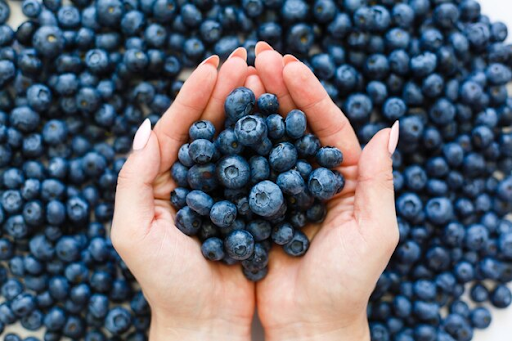
Blueberries rank high on the superfood list for multiple reasons, and liver health is one of them. These tiny berries contain anthocyanins, powerful compounds that possess strong anti-inflammatory properties. These compounds specifically target inflammation in liver cells, providing dietary protection against fatty liver disease and supporting overall liver function.
The traditional superfruit amla deserves recognition for its exceptional vitamin C content and health benefits. This indigenous fruit helps reduce oxidative stress throughout the body, which directly translates to improvements in fatty liver condition. Its accessibility and affordability make it an ideal addition to any liver-friendly diet.
Avocados, while sometimes considered exotic, are nutritional powerhouses that deserve a place in liver-supportive diets. They contain glutathione, a compound that enhances liver cell production and regeneration. This process helps reduce oxidative stress and slows down the progression of fatty liver disease, making avocados a valuable dietary investment.
The final recommendation combines two kitchen staples: turmeric and black pepper. Turmeric’s active compound, curcumin, offers powerful anti-inflammatory and antioxidant properties. Black pepper enhances curcumin’s absorption in the body, making this pairing particularly effective. Together, they work to reduce inflammation and actively prevent fatty liver development.