
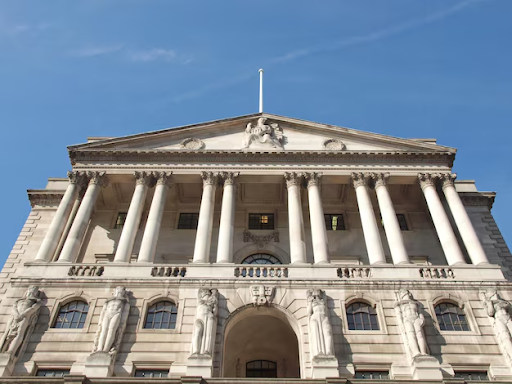
The Bank of England’s monetary policy committee has decided to maintain interest rates at 3.75%, though officials have indicated that upcoming reductions are likely as inflation continues to decline. The decision came despite projections showing both weaker economic growth and lower inflation than previously anticipated in November’s quarterly forecast.
The committee’s vote revealed a surprisingly narrow 5-4 split, with four members supporting an immediate rate cut. This division suggests that further reductions in borrowing costs are increasingly likely in the coming months. Since mid-2024, the committee has already implemented six rate cuts as part of its ongoing monetary policy adjustments.
Governor Andrew Bailey, who voted to maintain current rates, expressed optimism about the inflation outlook. He stated that inflation is expected to fall back to approximately 2% by spring, which represents positive news for the economy. However, he emphasized the importance of ensuring inflation remains stable at that level, which justified keeping rates unchanged for now.
The latest monetary policy report projects GDP growth of just 0.9% for this year, a notable decrease from the 1.2% forecast made three months earlier. This downward revision reflects ongoing economic challenges and uncertainties facing the British economy. Chancellor Rachel Reeves had introduced several anti-inflation measures in her November budget, including utility bill cuts and a rail-fare freeze, both taking effect in April.
These government policies are expected to have a significant impact on inflation, with the Bank now forecasting it will fall to 2.1% by the second quarter of 2026, just above the 2% target. This represents a dramatic improvement from December’s 3.4% reading. Financial markets currently assign a 50% probability to a rate cut at the next meeting in March, an assessment Bailey himself endorsed as reasonable.