
Nepal’s deadly protests have exposed a stark generational divide, putting a political establishment rooted in the past on a direct collision course with a youth movement demanding a future. The conflict is not just about policies but about two fundamentally different worldviews, one that values control and tradition, and another that prioritizes freedom, transparency, and digital connectivity.
The country’s leadership is largely composed of figures who came of age in a different political era. Their understanding of power and communication was shaped before the internet age, which may explain their clumsy and ultimately disastrous attempt to control social media. They view the online world with suspicion, seeing it as a source of instability rather than a platform for legitimate expression.
In contrast, Gen Z has grown up as digital natives. For them, the online and offline worlds are seamlessly integrated. They are less deferential to traditional authority and more willing to challenge the status quo. Their political consciousness has been shaped by global movements and online activism, making them impatient with the slow, opaque, and often corrupt nature of traditional politics in Nepal.
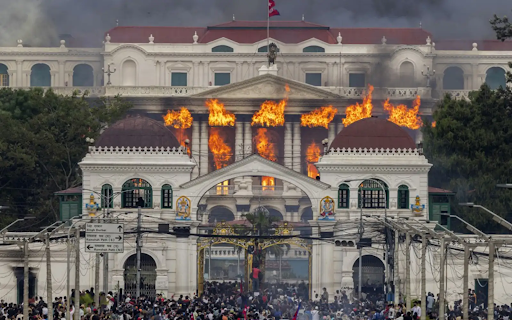
This generational clash was at the heart of the recent explosion. The social media ban was a policy that struck directly at the fault line between these two worlds. The tragic outcome, with 19 young lives lost, has only deepened the divide, creating a sense of “us versus them” that will be a defining feature of Nepalese politics for the foreseeable future.
The Generational Divide: Nepal’s Elders and Youth on a Collision Course
Picture Credit: www.freemalaysiatoday.com
53